

The Four Seasons
The weather and how nature, animals and people are affected.
Shapes and Colours in Nature
Using the environment around us to look at and name different shapes and colours.
Our Senses:
Touch, Smell, Sight and Taste
Using the environment around us to explore our senses.
The 4 R’s :
A Healthy Environment
The importance of a clean environment and recycling.
Bird Bonanza:
Exploring different types of birds and their general characteristics.

Grow for Life – Plants and Seeds:
Why plants are important, different types of plants, what they need to grow, where seeds come from and how to grow a plant from a seed.

Circle of Life- What Do We Need to Live:
Sun, air, water, soil and water and their importance in our environment.
Animal Homes:
Animals, other creatures’ and their homes.
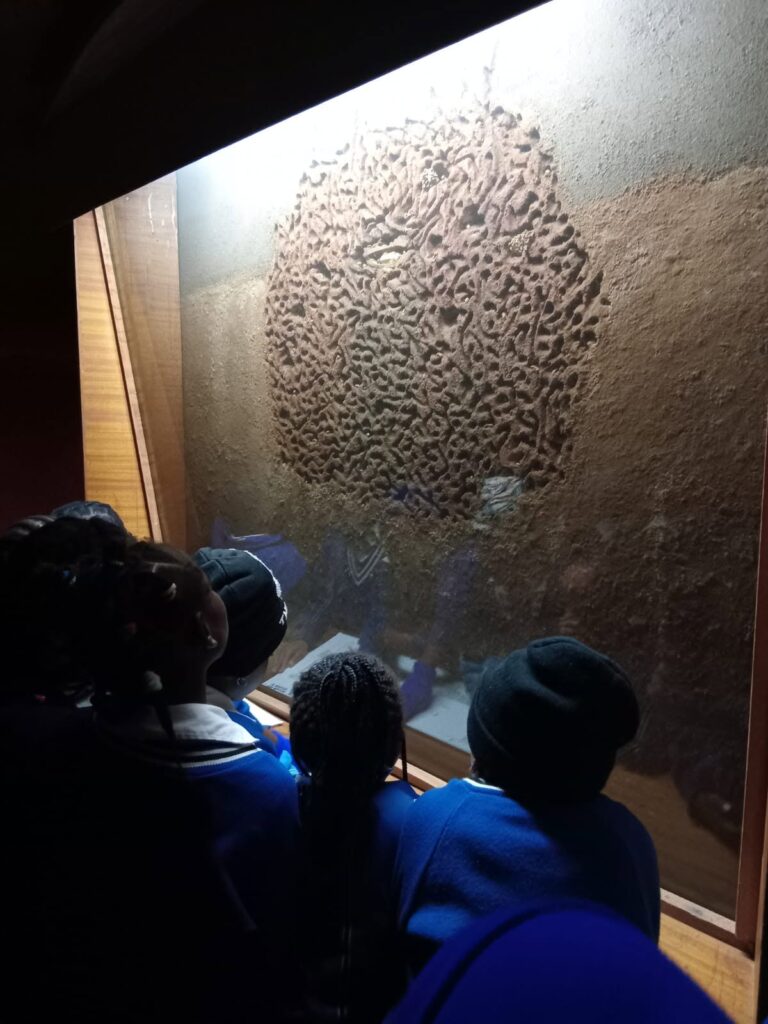
Creepy Crawlies-Insects and Life Cycles:
Characteristics of an insect, the variety of insects, observing them and exploring how insects help or
harm us. Exploring the life cycle of an insect.
Pollution Busters
What is pollution, the different types and the effects of pollution on people and the environment?
Exploring what happens to our waste and finding out about reducing, re-using and recycling.

Living and Non-Living Things:
Characteristics of living and non-living things and exploring the requirements of plants and animals.
Wild Animals in Cities and Towns:
Habitats are the places where animals feed, hide, produce young and provide shelter.
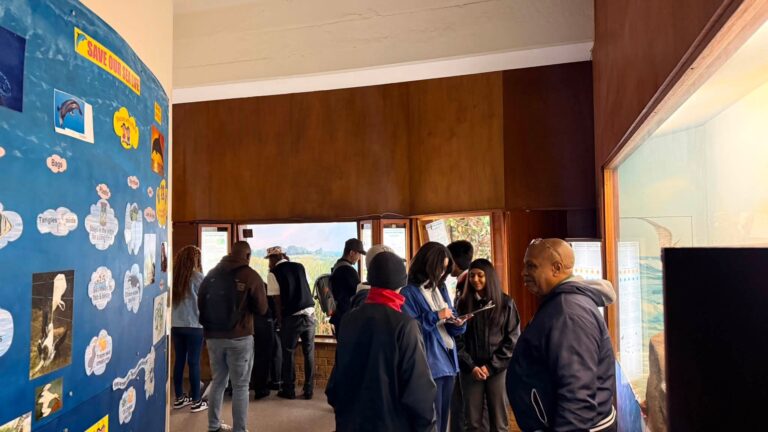
Biodiversity of Living Things:
Exploring food chains. Plants make their own food but depend on light, soil, air and water while animals cannot make their own food, depending on plants for their energy.

Natural Resources and Ecosystems
The ecosystem:
Interrelationships between plants and animals and abiotic factors. Explore potential
threats to ecosystems and how to overcome these.
World of Insects:
Exploring the beauty of insects, their ecology, adaptations and conservation.
Reduce, Re-Use & Recycle Waste Programmes:
Also offered from Grade 4 – 6 and include
activities focusing on waste classification, exploring how waste is created, recycling and reusingpotential of waste items, understanding landfills and how to manage waste sustainably.
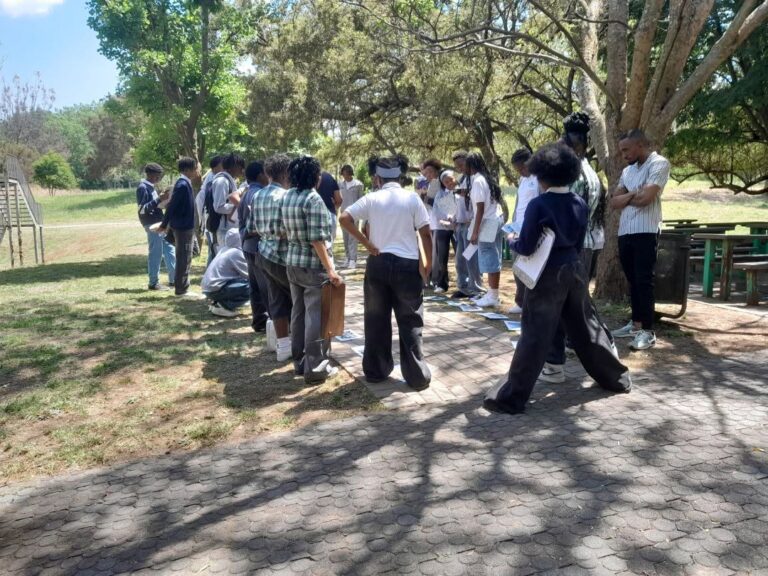
Exploring Biosphere and Biodiversity:
The concept of the biosphere and the requirements for sustaining life. Understanding biodiversity and
the classification of living things while exploring the diversity of animals and plants on earth.
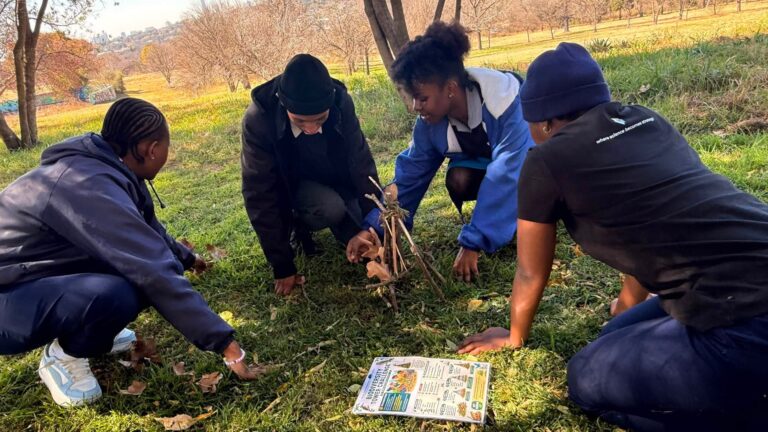
Ecology and Ecosystems:
An introduction to ecology, ecosystems and food chains and webs that occur within the ecosystems.
Identifying adaptations that occur in an ecosystem and the importance of conserving an ecosystem.
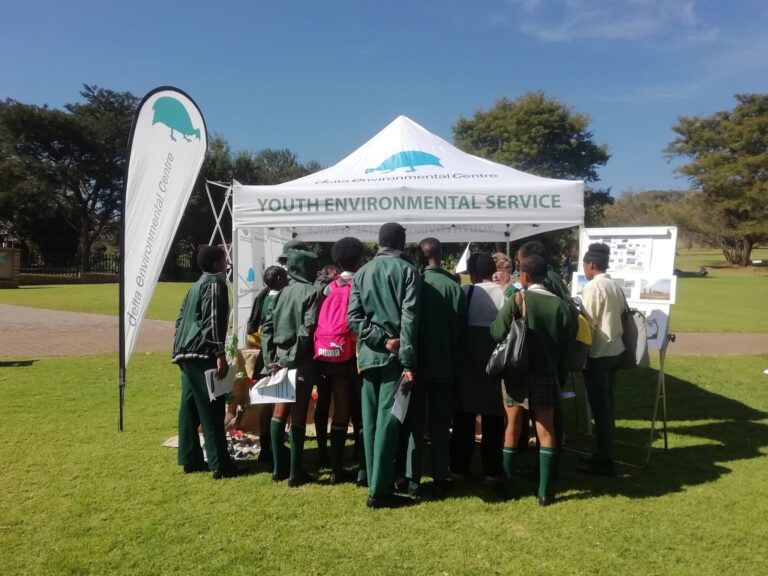
Energy Use in SA
Resource Use and Sustainability:
Identifying renewable and non-renewable resources and the effects of unwise use of resources. Exploring the concepts of sustainable and unsustainable resource use and the role of consumers in reducing pressure on resources. Exploring the cost of electrical consumption and how energy use has an impact on the environment. An introduction to the greenhouse effect is also included in the programme.
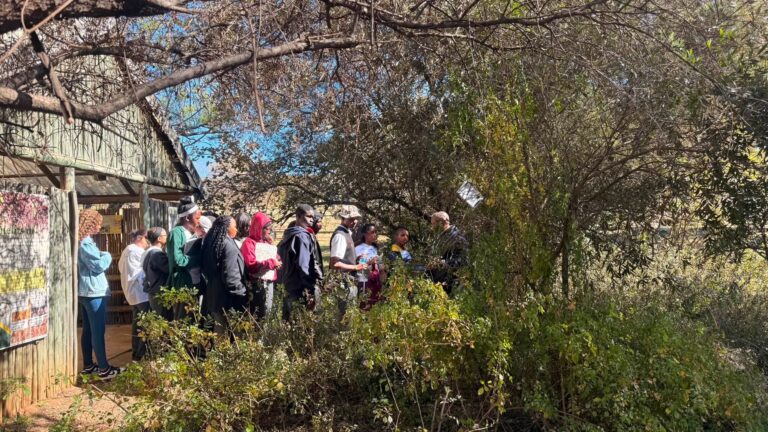
Biosphere to Ecosystems – Investigation of an Ecosystem Programme supporting SBA:
A fieldwork component is required where learners need to investigate the concept of an ecosystem, its structure and functioning. Learners will identify a study area within an ecosystem at Delta Park. Making use of field guides and keys, learners will gather data pertaining to the physiographic, abiotic and biotic factors of the chosen ecosystem as well as explore the energy flow and relationship to the trophic structure of their ecosystem. They will analyse and interpret the data for their SBA report. Learners will have an opportunity to discuss the positive and/or negative human impact on their chosen ecosystem.
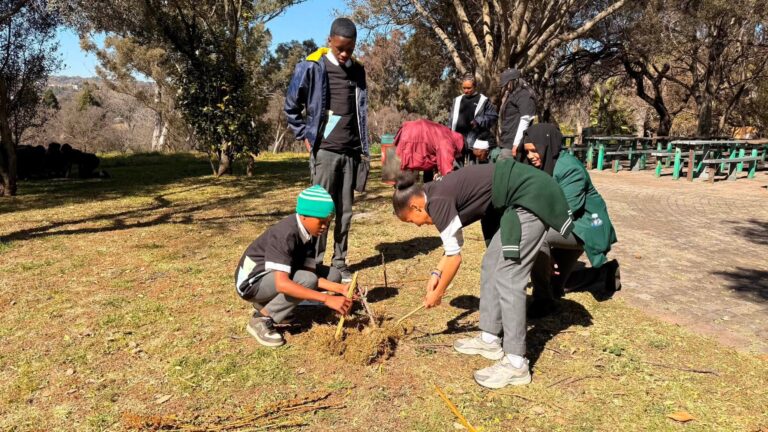
Resource Use and Sustainability:
Exploring the relationship between resources and economic development, exploitation and depletion of resources and concepts of sustainability and sustainable use of resources. Learners will study conventional energy sources and their impact on the environment as well as non-conventional sources of energy. South Africa’s changing energy needs will be explored and energy management towards greener economies and sustainable lifestyles will be discussed. Learners will also be encouraged to start an energy savings campaign and the programme outlines the steps that can be used to design and implement such a campaign.