Our History
From sewage sludge to pleasant park: The Story of the Delta’s Disposal Works, 1934 to 1963
While historical records often overlooked the delicate subject of human waste, the management of sewage has determined the success and size of cities for millennia.
Delta Park in Johannesburg exists today because of the rapid expansion of the city’s sewage infrastructure in the 1930s, which transformed former rural farmland into the Delta Sewage Disposal Works.
Early Sanitation Challenges in Johannesburg
Following the 1886 gold discovery, Johannesburg’s population surged, creating severe sanitation challenges as southern soils proved unsuitable for French drains and septic tanks
Households relied on tarred buckets (sanitary pails) collected nightly by the Scavenging Department and hauled away by mule-drawn carts. Following a 1904 bubonic plague outbreak, the city built a waterborne sewage system for central and southern areas, gravity-feeding waste to a municipal farm at Klipspruit. However, northern suburbs relied on “slop-carts” and bucket collection, resulting in unhygienic conditions and frequent outbreaks of enteric fever.
The 1930s Expansion and the Creation of the Delta Works
By the late 1920s and 1930s, Johannesburg’s booming population and city status necessitated a northern sewage solution. Four primary treatment sites named after letters of the alphabet—Antea, Bruma, Cydna, and Delta—were established.
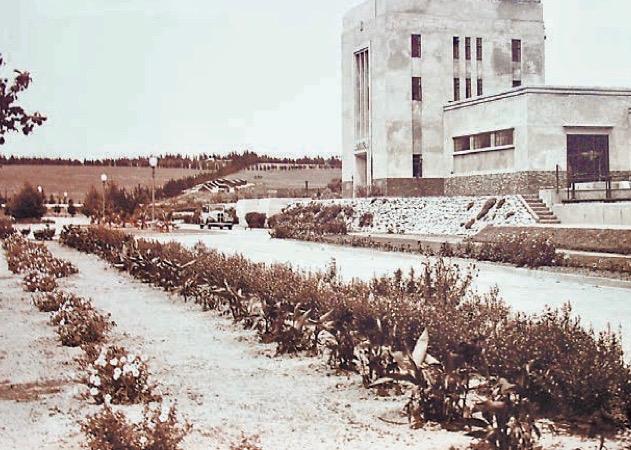
Built along the Delta Stream to serve affluent and growing northern suburbs, Delta was uniquely designed with its sorting screens, sedimentation tanks, and offices housed in a single, grand building.
The project was built during the Great Depression and severe drought, utilizing subsidized “poor white” labour to lay over 50 km of pipes. Experimental sewage treatment began in April 1935.
Architectural and Technological Innovation
Breaking away from traditional British colonial architecture, the main Delta building embraced modern American Art Deco styling, reflecting the rapid modernization of Johannesburg.
Delta was remarkably advanced for its time. Methane gas collected from the digestion tanks powered a gas engine alternator—supplying over 80% of the plant’s electricity—while waste heat warmed the incoming crude sludge.
Due to its experimental diffused-air activated sludge processes at high altitudes, Delta’s engineers published numerous academic papers that received international acclaim.
Wartime Pressures, Growth, and Obsolescence
Rapid post-war urban growth, government expansion commissions (such as the Feetham and Thornton commissions), and the invention of synthetic detergents altered sewage composition and severely over-taxed Delta.
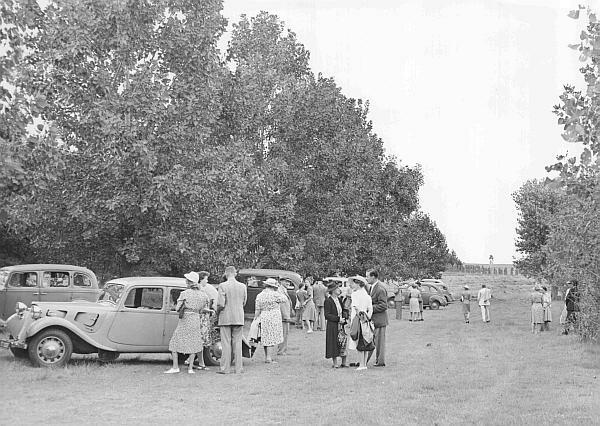
During World War II, the plant experimented with growing Deltoida poplars for match timber and attempting to recover soap and grease from the city’s high-fat wastewater.
Recognizing that Delta and other small plants could no longer keep up with demand, City Engineer Dr. E.J. Hamlin designed the large-scale Northern Disposal Works (Diepsloot) in 1946 to consolidate the region’s wastewater treatment.
Closure and Transformation into Delta Park
The Delta plant officially ceased operations at the end of June 1936 [1963], marking the temporary end of large-scale activated sludge treatment in South Africa.
Machinery was removed and tanks were filled in. Parts of the land were designated for a township, while the remainder was handed over to the Parks and Recreation Department, successfully turning a historic sewage disposal works into the beloved Delta Park known today.